8 looks from one photo
Every image below came from the same single source photo.
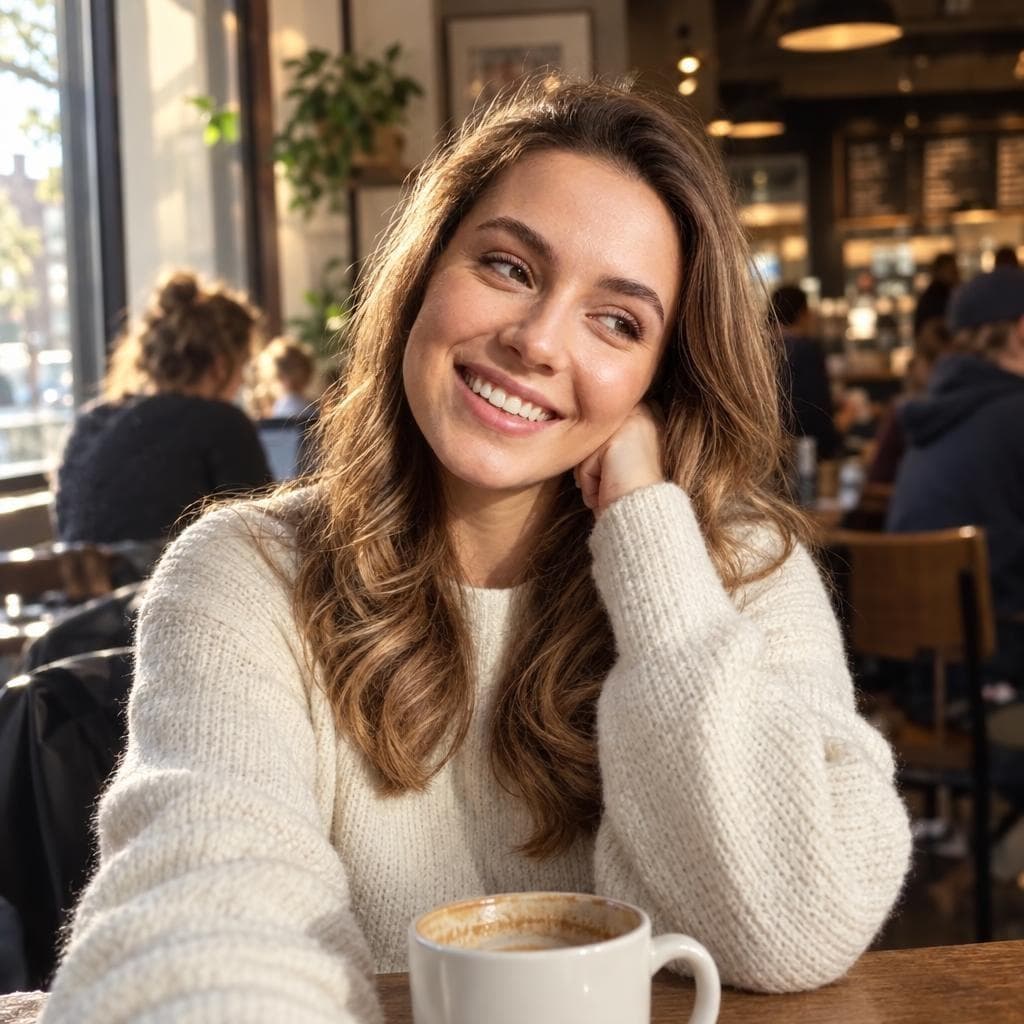
Coffee Shop
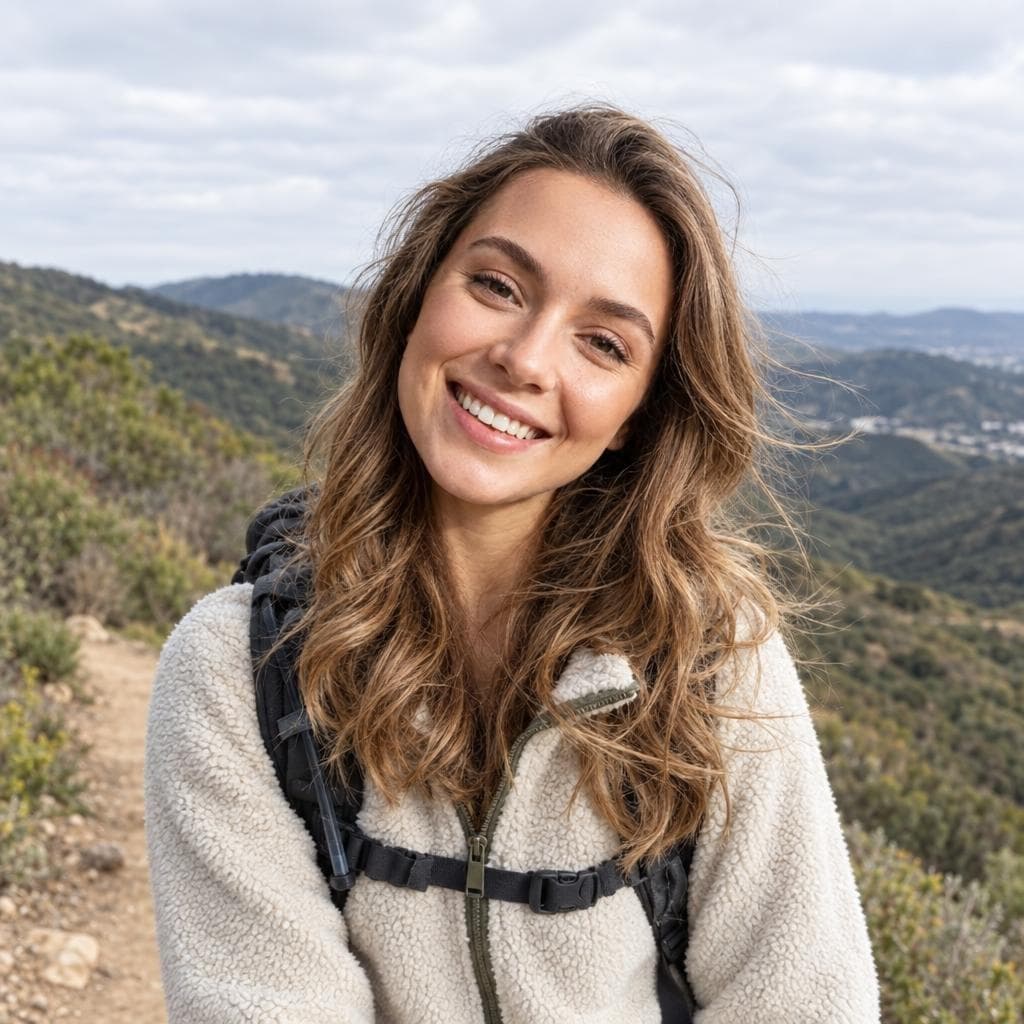
Outdoors
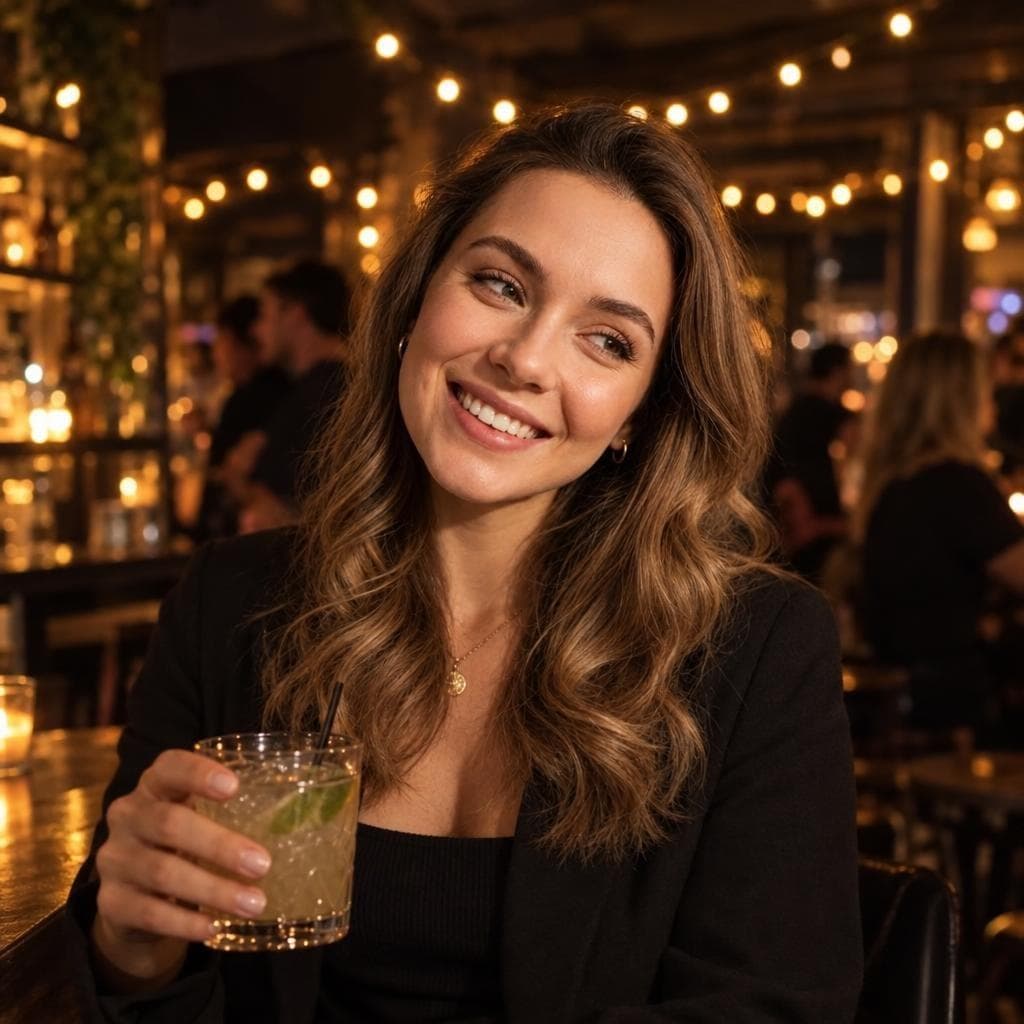
Night Out
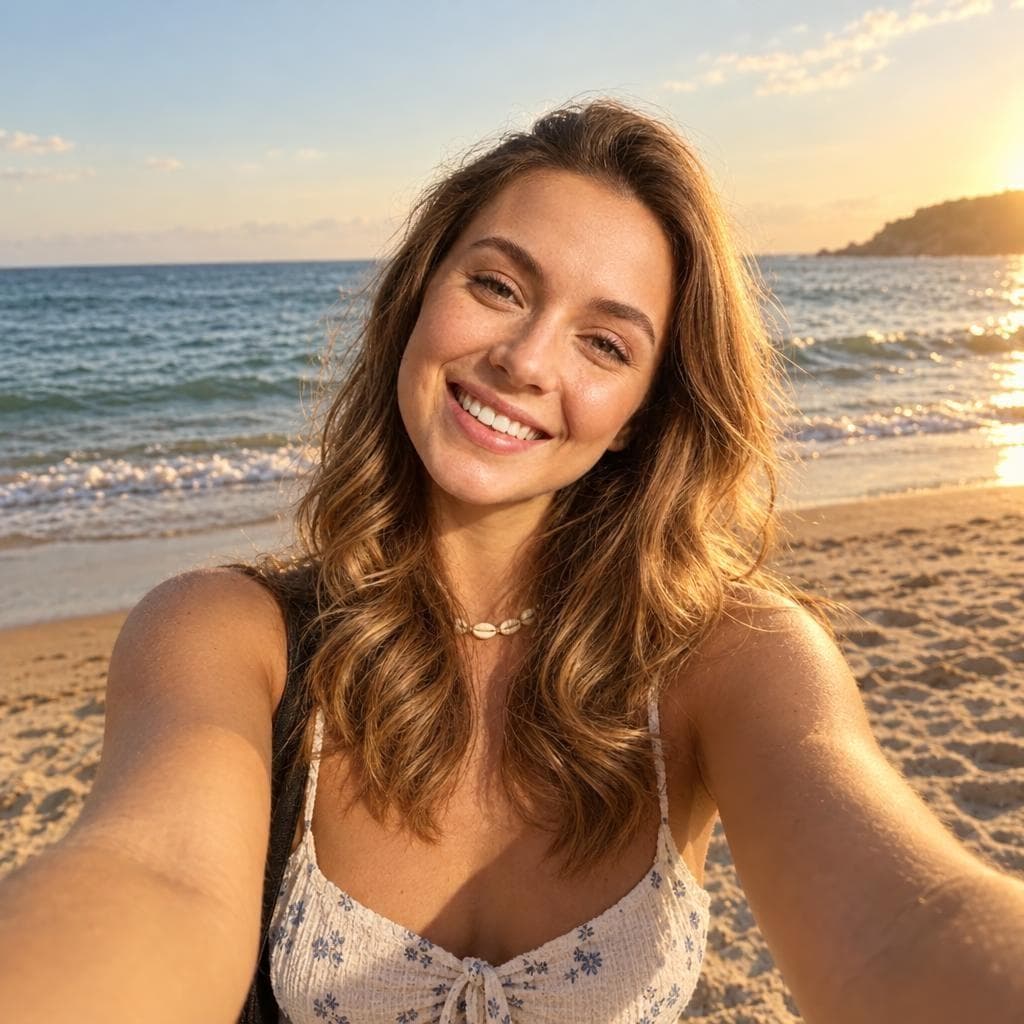
Beach Day
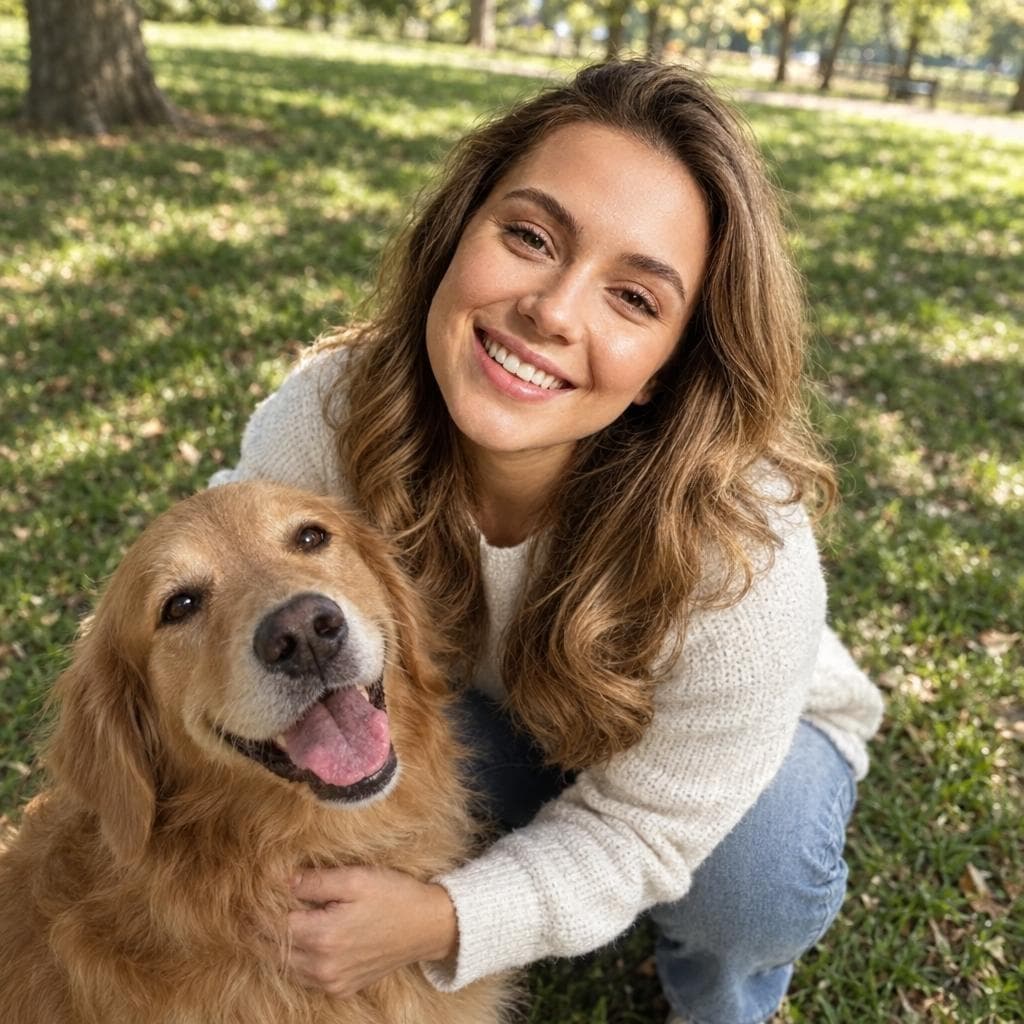
With a Dog
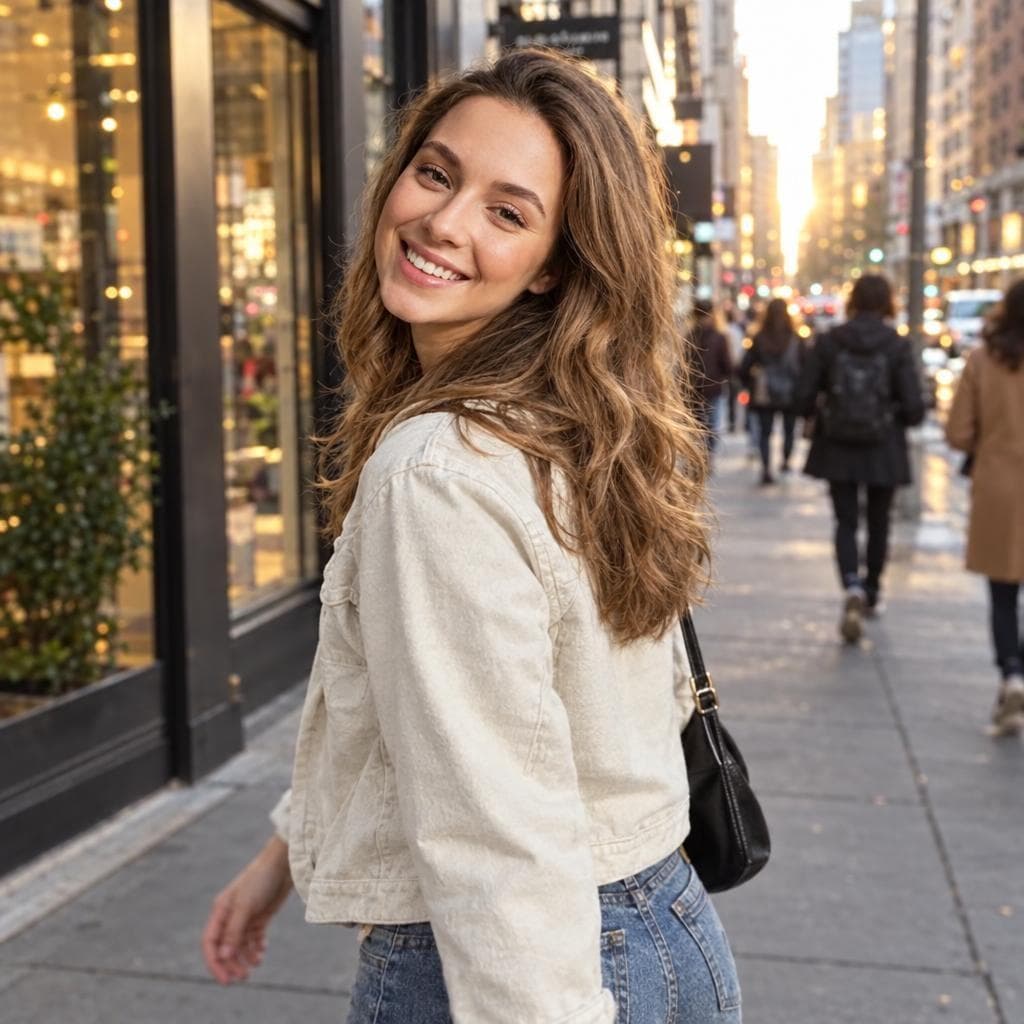
City Street

Cooking
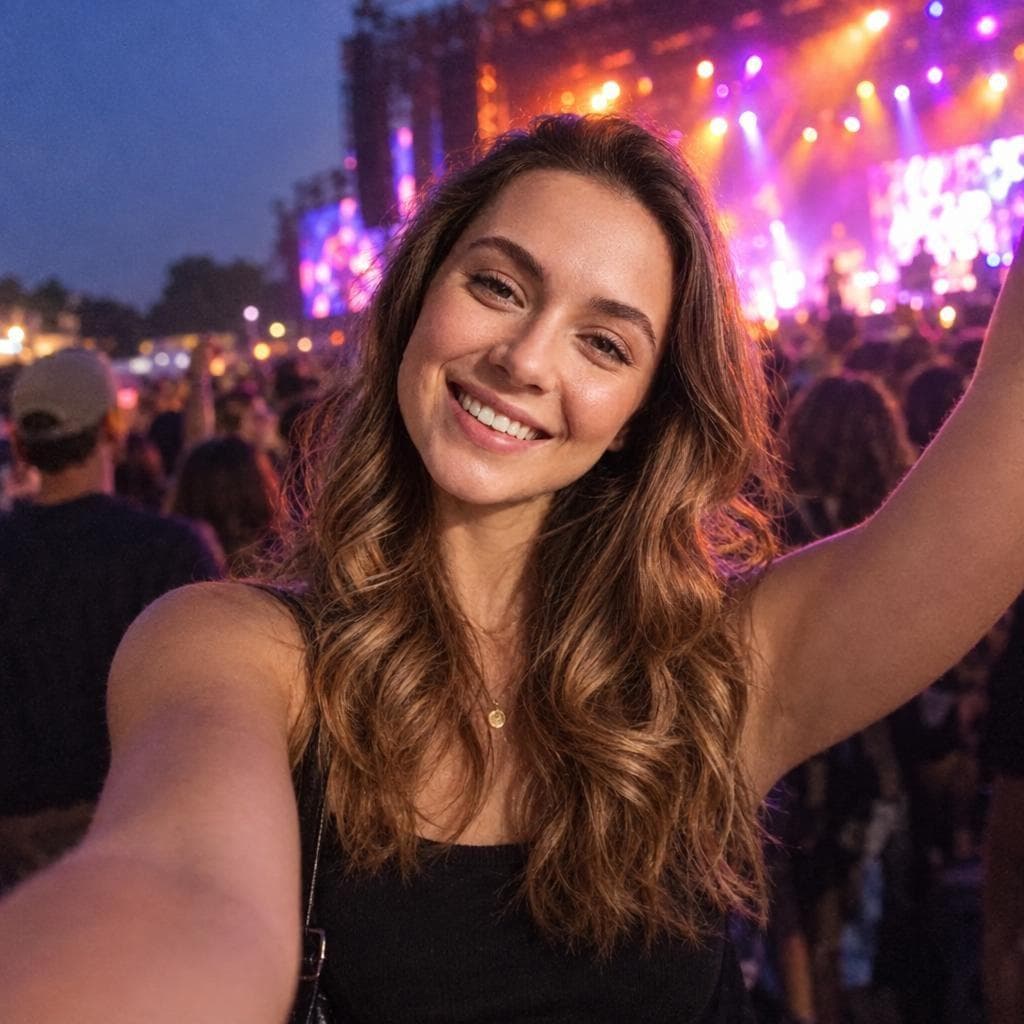
Live Music
Most dating profiles fail on photos, not bios. Upload a few selfies and get back eight varied, natural-looking shots — the kind a friend would have taken, not the kind that obviously came out of an app.
Upload one to four photos. One credit per image, and any image that fails is refunded.
Every image below came from the same single source photo.
Coffee Shop
Outdoors
Night Out
Beach Day
With a Dog
City Street
Cooking
Live Music
Upload one to four clear photos of yourself. The generator produces eight different scenes — a coffee shop, a hiking trail, a bar at night, a beach, a park with a dog, a city street, a home kitchen, and a live music event — each framed like a candid phone photo rather than a posed portrait.
A profile of eight near-identical selfies tells someone nothing. A spread that shows you outdoors, out with friends, cooking, and with a dog reads as a real life rather than a single good angle. That is the whole reason this pack generates different settings instead of eight versions of the same shot.
A clear face in the first photo, because that is the one people decide on. Eyes visible, no sunglasses. At least one full-body shot. One photo with other people in it, and one doing something you actually do. Avoid a grid where every picture is the same distance, the same angle and the same expression — that reads as one lucky photo used eight times.
Hinge, Tinder, Bumble and Feeld all take the same thing: a vertical image with your face large enough to read on a phone. The eight scenes in this pack are framed vertically for that reason. Lead with the clearest face shot, put the full-body and the group-feeling shots in the middle, and keep the most specific one — the dog, the kitchen, the gig — for last.
It is a fair question and the honest answer has a condition attached. A photo that looks like you on a good day is the same thing a friend with a decent camera would produce. A photo that quietly changes your face, your body or your age is a problem, because the person across the table will notice within about four seconds. Use recent source photos, pick the results that look like you, and discard the ones that flatter you into someone else.
These are AI-generated images of you, and the point is to look like you on a good day — not like someone else. Use recent source photos so the results actually match who turns up to the date. Anyone using this to impersonate a different person is misusing it, and we would rather say so than pretend the question does not come up.
The photo set is what gets a profile opened, and most profiles fail because every picture is the same selfie. Eight varied, well-lit shots fix that. What they cannot fix is a mismatch between the photos and the person who shows up, which is why the results should look like you.
The scenes are framed as candid phone photos rather than glossy portraits, which is what usually gives AI images away. Check hands, jewellery and any text in the background before you post one — those are the details worth a second look.
If a photo shows you as you currently look, it is doing the same job as any other photo and most people would not expect a disclosure. If you are asked, say so. The line worth holding is whether the person meeting you recognises you.
One works, four is better. Recent ones, in good light, from slightly different angles. The likeness comes from what you give it.
One credit per image, so eight credits for the full set. The weekly plan is 35 credits for $7.99. Any image that fails to generate is refunded.
Run the pack again. Each run produces a fresh set of eight, and using different source photos the second time gives you a wider spread to choose from.